

- Home
- Knowledge centre
Knowledge centre
Short, practical guides to keep your CNG vehicle safe, legal and efficient.
Get a reminder before your next test
Share your number and last test date on WhatsApp. We'll remind you a month before it's due.
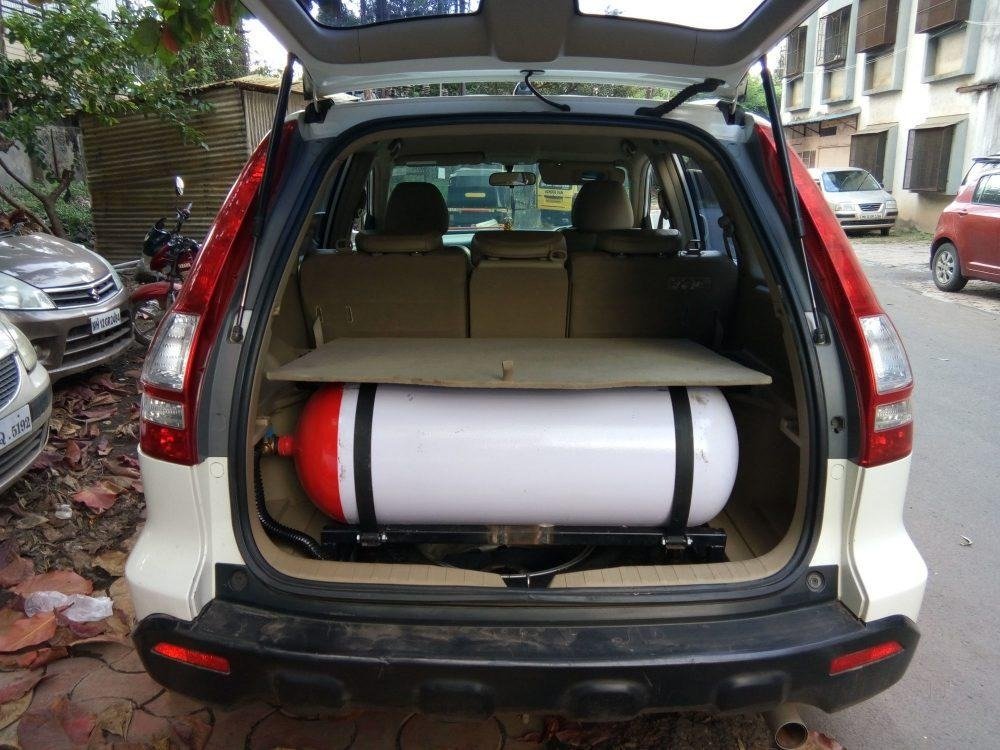
10 CNG safety tips every driver should follow
- Keep your hydro test current. Retest every 3 years — it's the single most important safety check.
- Everyone out at the pump. Passengers should step out while the cylinder is being filled.
- Engine off, no phone calls while refuelling.
- Use authorised stations only and never let anyone overfill beyond the rated pressure.
- Know where your cylinder valve is and how to close it in an emergency.
- Don't carry loose items against the cylinder in the boot; keep its cover and brackets intact.
- Park in ventilated places and avoid parking near open flames or heat sources.
- Never modify the kit yourself. Changes must be done by an authorised installer.
- Act on a gas smell immediately — close the valve and get it checked.
- Service the kit regularly along with your car: filters, reducer and leak check.

How often should a CNG cylinder be tested?
Vehicle CNG cylinders in India must be hydrostatically retested every 3 years. The first test falls due 3 years after manufacture.
How to find your due date
- Look at the shoulder of the cylinder near the valve — the last test month and year are punched there (for example 03/23).
- Check your last test certificate or the sticker near the filling point.
- Add 3 years. That's your due month.
What if I miss it?
Fuel stations are instructed not to fill cylinders with an expired test, and an expired test can complicate insurance claims. More importantly, you'd be driving with a pressure vessel whose strength hasn't been checked.
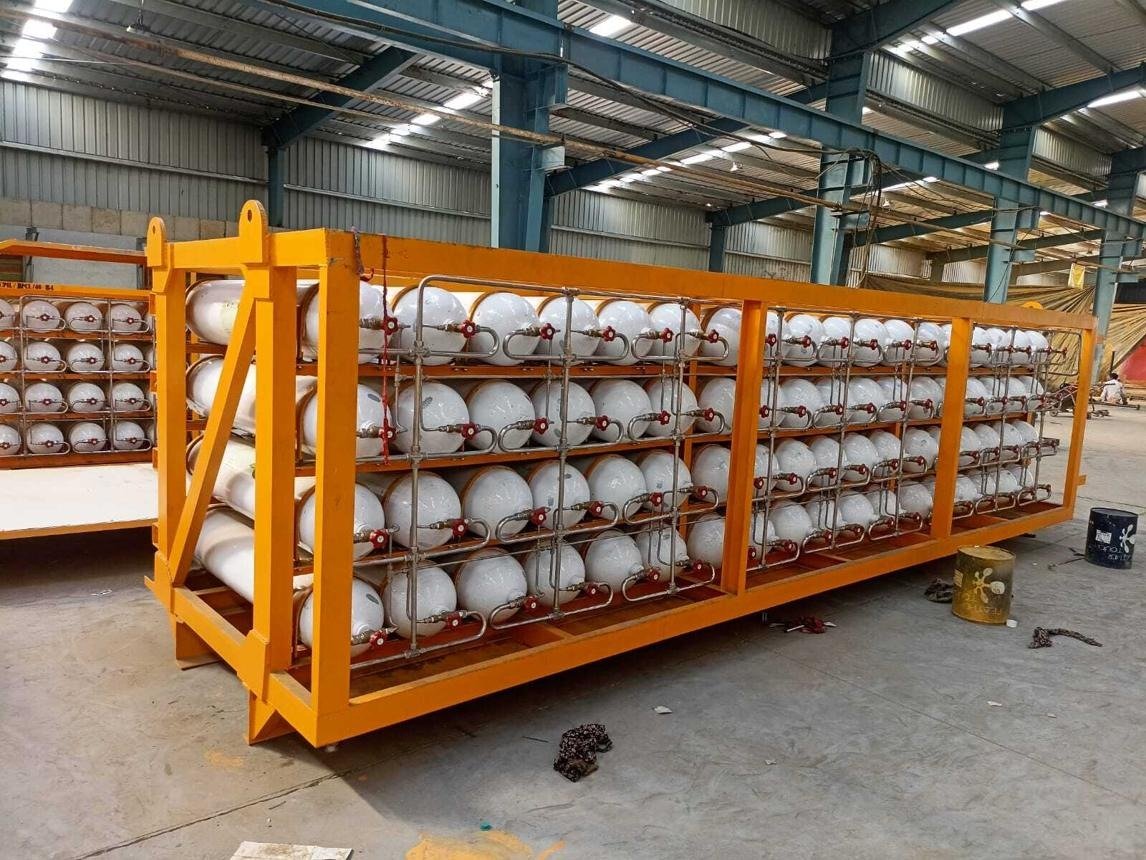
CNG cylinder rules in India, explained simply
CNG cylinders are regulated as pressure vessels. Here's who does what:
- PESO (Petroleum and Explosives Safety Organisation) administers the Gas Cylinders Rules, 2016, which cover manufacture, filling, periodic testing and condemning of cylinders, and approves testing stations.
- Indian Standards such as IS 15490 set requirements for on-board CNG cylinders used in vehicles.
- Motor vehicle rules require CNG kits to be type-approved and the fitment to be endorsed on the vehicle's RC.
What it means for you
- Get your cylinder retested every 3 years at an approved station.
- Keep the test certificate with your vehicle papers.
- If you convert a petrol vehicle, use an approved kit and update your RC and insurance.
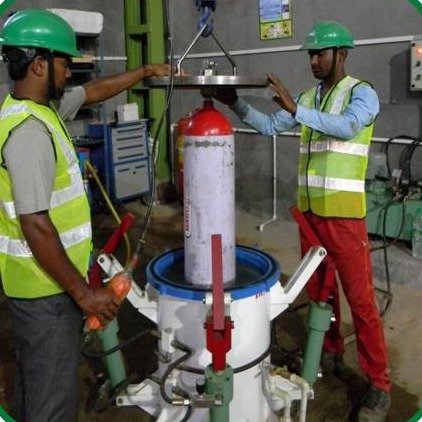
What actually happens in a hydro test
"Hydro" means water. Instead of gas, the cylinder is filled with water and pressurised, because water barely compresses — if anything gives way, there's no explosive release of energy.
The key numbers
- 200 bar — normal working pressure of a vehicle CNG cylinder
- 300 bar — test pressure, 1.5 times working pressure
Pass or fail
The cylinder sits inside a sealed water jacket. As it's pressurised it stretches slightly and pushes water out of the jacket — that's the total expansion. When pressure is released, a healthy cylinder springs back. If too much stretch remains (permanent expansion above the allowed limit), the steel has weakened and the cylinder fails.
Failed cylinders are condemned so they can never be refilled. Cylinders that pass are dried, stamped with the new test date and certified for another 3 years.

6 warning signs your CNG system needs attention
- Smell of gas near the boot, engine bay or after filling.
- CNG level drops while parked overnight.
- Hissing sound from the cylinder, valve or pipes.
- Jerks or misfiring on CNG but not on petrol — often a reducer, filter or tuning issue.
- Car won't switch to CNG or keeps switching back to petrol.
- Visible rust, dents or damage on the cylinder or brackets.
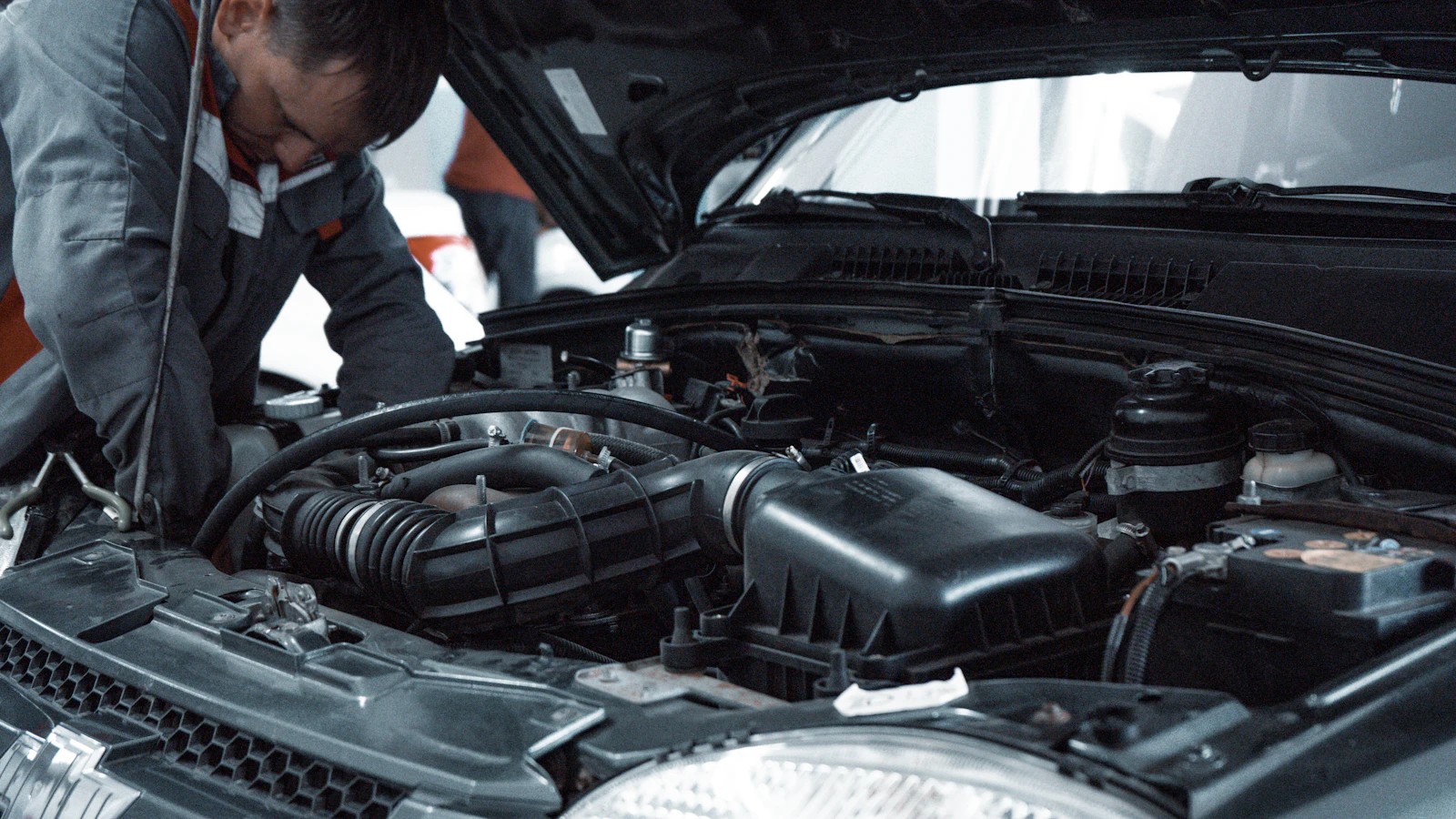
Sequential vs conventional CNG kits
Conventional (venturi / mixer) kits
Gas is mixed into the air intake through a mixer. They're simple and cheaper, and suit older carburettor engines — but on modern fuel-injected cars they can cause power loss and rough running.
Sequential (multi-point injection) kits
Each engine cylinder gets its own gas injector, timed by a dedicated CNG ECU that works with your car's own ECU. Result: smoother drive, better mileage and fewer warning lights. Most modern cars should use sequential kits.
Before you convert, check
- An approved kit exists for your exact make and model
- Your engine is healthy — conversion doesn't fix existing issues
- Boot space you're happy to give up for the cylinder
- RC endorsement and insurance update after fitment